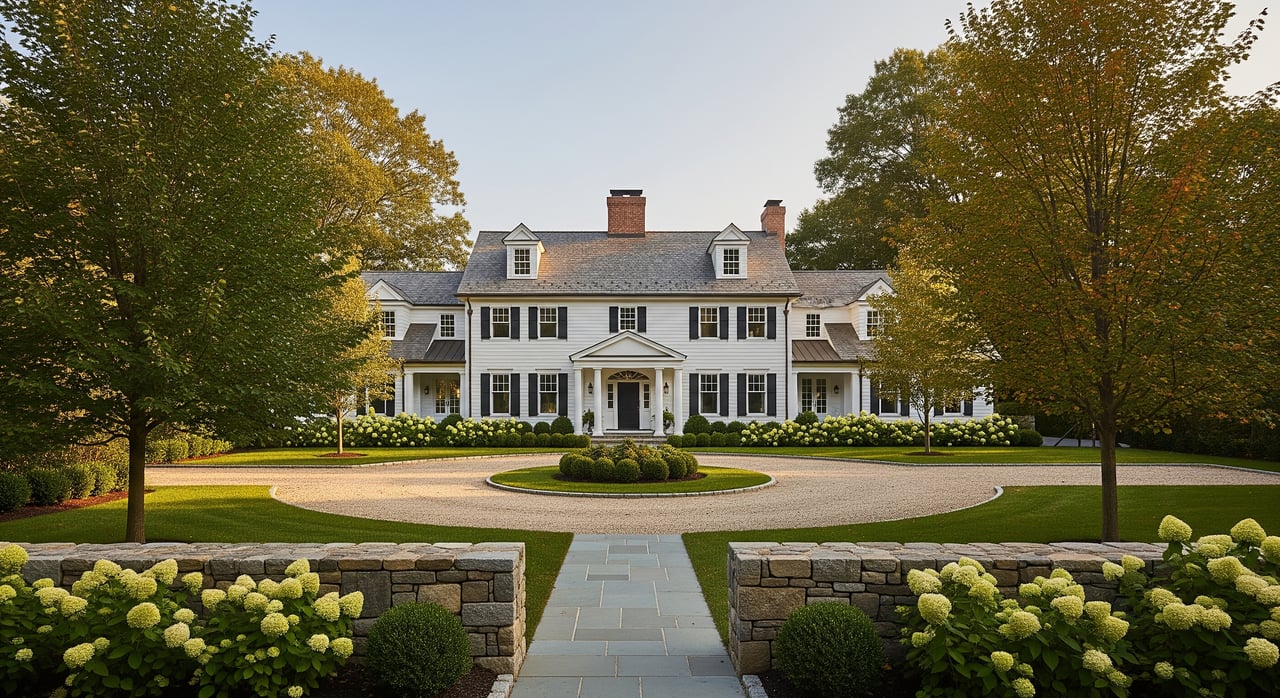
Trying to pick the right neighborhood in Trumbull can feel overwhelming. You want a place that fits your lifestyle, budget, and daily routines without surprises after you move in. The good news is you can make a confident choice with a simple plan that blends local research, on-the-ground visits, and a few smart questions.
This guide walks you through how to compare Trumbull’s neighborhoods by housing, schools, commute, amenities, parks, safety, and long-term value. You will also get a practical checklist, a quick scoring system, and links to trusted local sources. Let’s dive in.
Define your priorities first
Start by listing your top 6 priorities. Be honest about what matters day to day. A typical list might include schools, commute, yard size, walkability, price, and long-term resale.
- Assign weights to each priority that add up to 100. For example, schools 30, commute 20, yard 15, price 15, walkability 10, safety 10.
- As you research each neighborhood, score it 1 to 10 for each category, then multiply by the weight.
- Compare final scores across a short list of areas. This keeps the process objective when emotions kick in during showings.
Know Trumbull’s main areas
You will find a blend of older neighborhoods near the center, mid-century subdivisions, newer pockets, and semi-wooded streets on the edges. Use this simple framework to narrow your search.
Town center and older streets
- What to expect: A mix of older single-family homes, sidewalks in some areas, and shorter drives to everyday errands.
- Good fit if you value quick access to shops, library, parks, and community services.
Suburban subdivisions
- What to expect: Colonials, split-levels, and ranches on neighborhood streets, often with cul-de-sacs and larger yards.
- Good fit if you want consistent streetscapes, driveway parking, and neighborhood feel.
Semi-rural and wooded pockets
- What to expect: Larger or more private lots, more trees, and less through-traffic.
- Good fit if you prefer privacy and do not mind a slightly longer drive to shopping or schools.
Shopping and commuter corridors
- What to expect: Closer access to major roads for commuting and retail. Expect more traffic at peak times.
- Good fit if you prioritize faster routes to the Merritt Parkway or Route 8 and want errands nearby.
Research with trusted sources
Rely on official town and state resources for facts, and supplement with on-the-ground checks.
- Planning and zoning, assessor records, permits: Use the Town of Trumbull website to review zoning, property records, and meeting minutes for any pending developments.
- School assignment and performance: Confirm addresses and programs through Trumbull Public Schools and review district information at the Connecticut State Department of Education.
- Commute and road projects: Check routes, traffic, and planned work through the Connecticut Department of Transportation.
- Walkability: Get a quick read using Walk Score, then verify sidewalks and crossings in person.
- Environmental and flood: Review FEMA flood maps via the FEMA Flood Map Service Center and wetlands or open space layers at CT DEEP.
- Safety trends: Review official statistics through the FBI Crime Data Explorer and local incident reports from the town.
Visit like a local
Online research is a start. Your in-person visit tells the real story. Try to visit at different times, including an evening.
- Street character: Look at general upkeep, driveway space, and parked cars. Note street width, sidewalks, and crosswalks.
- Noise and traffic: Listen for road noise, nearby commercial activity, or early morning delivery routes.
- Night lighting: Check street lights and visibility after dark.
- Drainage and grades: Look for pooling water, steep slopes, or erosion. Ask about seasonal runoff.
- Walkability test: Time the walk to a park, cafe, or bus stop. Confirm crosswalks and sidewalks on the route.
- Future change: Note any construction or vacant land that might be developed.
Questions to ask listing agents and sellers
Bring these questions to showings and follow-ups so you can compare apples to apples across neighborhoods.
- How long has the home been on the market and have there been price changes?
- Are there pending assessments, liens, or HOA dues?
- What are typical monthly utilities, and when were the roof, HVAC, and septic last serviced or replaced?
- Has the property had flooding, drainage, or pest issues?
- Why are the sellers moving and how long have they lived here?
- Are there planned projects or developments nearby that could change traffic or views?
Match neighborhoods to your lifestyle
Use these quick profiles to focus your search on the right streets and features.
Families with school-age children
You likely want proximity to public schools, sidewalks, and easy access to parks and youth programs. Confirm school assignments by address with Trumbull Public Schools and use state report cards through the Connecticut State Department of Education to compare data points across schools. Look for nearby fields, playgrounds, and after-school options.
Fairfield County or NYC commuters
Focus on quick access to the Merritt Parkway, Route 8, or local park-and-ride options. Time your route during rush hours using navigation apps and check the CT DOT for road work that could affect travel.
Downsizers and retirees
Seek single-level homes or condos, smaller yards, and short drives to medical care and shopping. Look for streets with less through-traffic and easy driveway access.
First-time buyers
Consider smaller homes or homes that need cosmetic updates in neighborhoods with modest lot sizes. Focus on inspection results, potential maintenance items, and realistic renovation budgets.
Investors and second-home buyers
Check rental rules, zoning allowances, and any HOA restrictions. Proximity to job centers, daily amenities, and commuting routes can support demand and long-term value.
Understand housing stock and lots
Trumbull offers a range of single-family styles including ranches, colonials, and split-levels. You will find older homes with updates, newer construction in select pockets, and a mix of lot sizes.
- Lot features: Some areas have wooded privacy, others offer flatter yards and cul-de-sacs. Check for wetlands, steep grades, or drainage patterns.
- HOAs: Ask whether the street or subdivision has rules, dues, or restrictions that affect exterior changes or rentals.
- Renovation history: Review building permits on the Town of Trumbull website for major updates and verify that work was completed with approvals.
Schools, programs, and daily routines
If schools are a priority, verify boundaries for a specific address with the district. Compare multiple data points, not just a single score. Review state report cards, growth measures, and program offerings at the Connecticut State Department of Education. Visit campuses, talk to the district about after-school programs, and consider the drive time from your potential home.
Commute and transportation
Trumbull connects to regional job centers through major routes that feed into Fairfield County and the New York metro area. When you evaluate a neighborhood, practice the drive at the times you would normally commute, and track where bottlenecks appear.
- Test multiple routes to the Merritt Parkway or Route 8.
- Check parking, garage space, and where you will store gear.
- Confirm snow removal practices for your street.
Amenities, parks, and recreation
Daily convenience matters. Look at proximity to grocery stores, pharmacies, banks, and dining. Trumbull also offers town parks, athletic fields, playgrounds, and trails. Match your lifestyle to what is nearby, especially if you prefer walking to short errands. Use Walk Score for a baseline, then confirm on foot.
Safety and public services
To understand safety trends, compare official data over several years and review both violent and property categories. Use the FBI Crime Data Explorer and local reports. When visiting, look at lighting, crosswalks, and traffic speeds. Ask neighbors how the street feels at night and during busy hours.
Taxes, utilities, zoning, and future change
Before you commit to a street or subdivision, check the rules and costs that may affect your monthly budget and long-term plans.
- Property taxes: Your tax bill depends on assessed value and the town mill rate. Review current guidance with the Town of Trumbull Assessor’s Office on the town website.
- Utilities and septic: Confirm whether the home is on public water and sewer or private well and septic. Ask for recent service records and average utility costs.
- Zoning and additions: Verify zoning, setback rules, accessory dwelling policy, and any recent changes through Planning and Zoning on the town site.
- Flood and wetlands: Check the FEMA Flood Map Service Center and CT DEEP if the lot is near water or in a low-lying area.
- Development plans: Review meeting minutes and notices on the town site for projects that could change traffic, school enrollment, or neighborhood character.
Make the most of showings
Each showing is a chance to compare homes and neighborhoods side by side. Use this quick checklist.
- Take photos of the street and nearby intersections for later comparison.
- Note driveway slope and winter access. Ask about plow routes.
- Time the drive to the nearest grocery, pharmacy, and park.
- Walk two blocks to check sidewalk continuity, lighting, and crossings.
- Ask about any drainage fixes or grading work after heavy rain.
Think resale and long-term value
Aim for features that hold value in Trumbull: consistent upkeep on the street, convenient commute routes, proximity to amenities, and established school patterns. Stable neighborhoods with access to parks, shopping, and major roads often see steady demand. If you plan renovations, verify permits and neighborhood norms so your updates fit the market.
Put it all together
Choosing the right Trumbull neighborhood is easier when you follow a clear plan. Define your priorities, shortlist areas, verify details with town and state sources, and use in-person visits to confirm the fit. Keep your scoring system handy so your final choice reflects what matters most to you today and five years from now.
If you want local guidance and a faster path from research to keys-in-hand, connect with a neighborhood-savvy agent at Realty One Group. We combine community expertise with modern tools to help you find the right street, not just the right house.
FAQs
Which Trumbull neighborhoods have higher-rated schools?
- Verify school assignments by address with Trumbull Public Schools and compare report cards and growth data through the Connecticut State Department of Education to see which areas align with your goals.
How do I estimate my commute from Trumbull?
- Test routes to your workplace during rush hours with a navigation app and review planned projects through the Connecticut Department of Transportation to understand typical delays.
Are property taxes high in Trumbull?
- Your tax bill depends on your home’s assessed value and the town’s mill rate, so review guidance and sample bills with the Town of Trumbull Assessor’s Office before you buy.
What parts of Trumbull are most walkable?
- Town center and retail corridors often offer more sidewalks and nearby services, but confirm walkability on foot and with tools like Walk Score for specific addresses.
Should I worry about flood or wetlands in Trumbull?
- Check FEMA Flood Insurance Rate Maps and CT DEEP wetlands layers for any property near water or in low-lying terrain, and review insurance needs with your lender and insurer.
How do I compare neighborhood safety in Trumbull?
- Look at multi-year trends and per-capita rates using the FBI Crime Data Explorer and local reports, then visit at different times to assess lighting, traffic speeds, and street activity.
Are there good options for first-time buyers in Trumbull?
- Focus on smaller single-family homes or homes ready for cosmetic updates, and budget for inspections, maintenance, and any immediate improvements you plan to make.
Which factors support resale value in Trumbull?
- Proximity to schools, parks, shopping, and major routes, plus consistent neighborhood upkeep and appropriate renovations, tend to support long-term demand and resale potential.
