Thinking about buying a small apartment building or mixed‑use with apartments in New Rochelle? You are not alone. Investors are drawn to the city’s strong transit links, steady renter demand, and a downtown that keeps evolving. In this guide, you will learn how the market works, what rules and costs to expect, and the steps to underwrite and manage a multifamily investment with confidence. Let’s dive in.
Why New Rochelle for multifamily
New Rochelle sits on the Metro‑North New Haven Line with quick access to Manhattan and Westchester job centers. Proximity to I‑95 and the Hutchinson River Parkway makes regional commuting practical, which supports renter demand.
Renter profiles are diverse. You will see young professionals who commute to NYC, families who want a suburban setting, downsizing residents, and local service workers. Demand varies by location and building type, so your strategy should match the submarket and product you choose.
Across suburban New York, rents and occupancy recovered after early pandemic shifts. Since 2022, higher interest rates and new supply in select pockets have shaped performance. Downtown and transit‑adjacent assets in New Rochelle typically earn stronger rent premiums and maintain lower vacancy compared with older stock in peripheral areas.
Submarkets and product types
Downtown and transit corridor
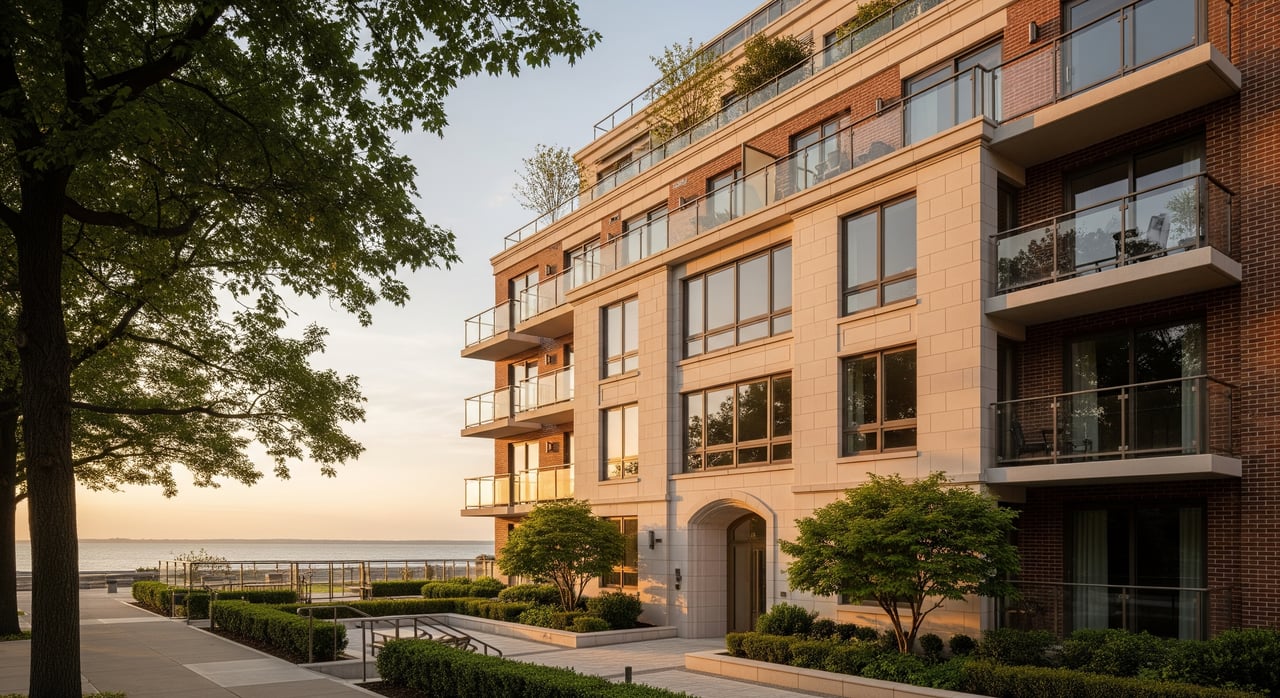
This is the most active area for new construction and mixed‑use projects near the Metro‑North station and waterfront. Expect mid to high‑rise buildings, modern amenities, and professionally managed assets. These properties often command higher rents and draw commuters, making them popular for core and long‑term holds.
North and Wykagyl vicinity
Farther from the station, you will find more suburban, lower‑density housing. Multifamily here is often garden‑style or low‑rise complexes with larger green space and parking. Inventory is thinner, so deals can be competitive, but operations may be simpler than downtown.
North Avenue, East End, and West End corridors
These corridors include older walk‑ups and small midrise buildings. Conditions and operator quality vary. Many investors pursue value‑add here by upgrading units, addressing deferred maintenance, and improving management.
Supply and pipeline
New Rochelle has encouraged downtown revitalization with zoning that allows greater density near transit. Several mixed‑use projects over the past decade have added modern residences and retail. Oversupply can become a short‑term risk if many projects deliver at once in the same pocket, so always review the latest planning board agendas and approved projects before you buy.
Rules, taxes, and permits
Zoning and planning set what you can build or change. Overlay districts near transit can allow taller buildings, reduced parking, and mixed‑use. Confirm zoning, allowable uses, and any overlay standards with the City of New Rochelle before planning renovations or redevelopment.
Some properties may be subject to New York rent regulation depending on age, funding history, or past status. Always verify unit‑level regulatory status with the New York State Division of Housing and Community Renewal, and consult local counsel if needed.
Owning multifamily includes permits, Certificates of Occupancy, routine inspections, and safety compliance. For pre‑1978 buildings, lead‑paint rules apply. Plan for timing and costs related to fire protection, elevator servicing, and housing code compliance, especially if you are doing a value‑add.
Property taxes in Westchester County are a major operating expense. Assessments and school district levies influence your effective tax rate and can change over time. Model taxes conservatively, review recent tax bills, and speak with the County Assessor and a tax advisor about appeal options and expected increases. Also account for state and local transfer and recording taxes at purchase.
Incentives like PILOT agreements and abatements are sometimes used for large redevelopment or affordable projects. If your business plan involves significant investment, monitor city council decisions and economic development updates for current opportunities.
Investment strategies and returns
- Core or stable: Buy newer or well‑located properties with high occupancy. You will likely pay more per unit and accept lower management intensity and steady cash flow.
- Value‑add: Target older buildings and raise Net Operating Income by renovating units, addressing building systems, and improving operations.
- Development or redevelopment: Pursue ground‑up or major repositioning in transit‑oriented districts. Expect longer timelines, entitlement work, and construction risk.
Key metrics to model include NOI, cap rate, cash‑on‑cash return, IRR for longer holds, DSCR, and LTV. Test sensitivity for interest rates, cap rate expansion, vacancy, property taxes, and capital expenditures. In this region, property taxes and financing costs have an outsized impact on returns, so sharpen those assumptions.
Financing options today
Common lenders include local and regional banks, life companies, and agency lenders. Fannie Mae and Freddie Mac serve stabilized multifamily, while FHA, balance‑sheet lenders, and private capital can support construction or bridge needs. CMBS can be an option for stabilized assets.
Since 2022, interest rates and underwriting standards have tightened. Expect lower maximum LTVs, higher DSCR requirements, and more scrutiny of taxes, reserves, and rent assumptions. Match loan products to your plan: agency debt for stabilized cash flow, construction or construction‑to‑perm for new builds, and bridge loans for heavy rehab with a clear path to stabilization.
Due diligence essentials
Financial review
- Rent roll and lease terms, including any below‑market or regulated units.
- Three years of income and expense statements, utility arrangements, and vendor contracts.
- Vacancy and concessions history compared with current market expectations.
- Capital expense history and reserves for roof, facade, HVAC, elevators, plumbing, and electrical.
Physical and environmental
- Commission a Phase I Environmental Site Assessment to identify potential liabilities.
- Inspect building systems, structure, accessibility, and life safety. Verify Certificates of Occupancy and recent inspections.
- For older assets, assess for lead‑based paint, asbestos, and any underground storage tanks.
Legal and regulatory
- Confirm zoning compliance, outstanding violations, and any pending litigation.
- Verify rent regulation status, local rental requirements, and any short‑term rental rules.
- Identify municipal obligations like special assessments or planned infrastructure charges.
Operating and insurance tips
Operating budgets in Westchester should account for maintenance, landscaping, snow removal, and, in higher‑end buildings, security or concierge. If you will use third‑party management, source local references and clarify fee structures and scope.
Insurance costs can be material near the waterfront or in low‑lying areas. Review FEMA flood maps, and confirm coverage for liability, property, loss‑of‑income, and builders risk if you plan construction. Proactive risk management can protect your business plan and loan covenants.
Risks to watch
- Rising interest rates and tighter lending standards that reduce leverage and increase debt costs.
- High property taxes and possible school‑related levy increases that pressure NOI.
- Local oversupply risk in downtown pockets if several large projects deliver together.
- Regulatory surprises, such as previously regulated or subsidized units that limit rent growth.
- Deferred maintenance on older buildings that forces larger‑than‑expected capital projects.
Step‑by‑step action plan
- Define your strategy. Choose core, value‑add, or development and set target submarkets that fit your plan and budget.
- Build your team. Line up a local broker, lender, attorney, property manager, and insurance advisor with Westchester experience.
- Underwrite conservatively. Stress test DSCR, taxes, vacancy, and capex. Prepare a plan for interest rate or cap rate shifts.
- Verify regulations. Confirm zoning, Certificates of Occupancy, and any rent regulation status at the unit level.
- Inspect thoroughly. Complete environmental and building inspections. Obtain written bids for any major repairs.
- Plan operations. Budget for management, maintenance, snow removal, and vendor costs. Set aside realistic reserves.
- Monitor pipeline and jobs. Track downtown projects, commuting patterns, and regional employment trends that influence demand.
Quick due diligence checklist
- Current rent roll and all leases
- Trailing 12 months and last 3 years financials
- Last 2 property tax bills and assessment records
- Service contracts and utilities information
- Evidence of recent capital work with invoices
- Certificates of Occupancy and inspection records
- Environmental reports and building inspections
- Zoning confirmation and any open violations
- Insurance loss runs and current policies
Work with a local partner
You deserve a partner who knows the submarkets, the rules, and the realities of Westchester operations. Our team helps you source deals, stress‑test assumptions, and navigate closing and management with clarity. If you are weighing New Rochelle multifamily, connect with the local experts at Realty ONE Group to map your next move.
FAQs
Is New Rochelle still a good market for multifamily investors?
- Yes, if your plan fits the submarket and product type. Transit access supports renter demand, but you should underwrite conservatively given interest rates, taxes, and localized new supply.
How do Westchester property taxes affect returns on small apartments?
- Taxes are a major expense. Review recent tax bills, budget for increases, and consider the appeals process. Model conservative effective rates and confirm assessments during diligence.
What should I know about rent regulation in New Rochelle?
- Some buildings or units may be regulated based on age or history. Verify unit‑level status with New York State DHCR and consult local counsel before you set rent growth assumptions.
Which New Rochelle submarkets fit a value‑add strategy?
- Older walk‑ups and small midrises along North Avenue and in the East or West End often present renovation and management upside. Assess building systems, code compliance, and realistic rent premiums.
What financing is common for small multifamily in Westchester?
- Local banks and agency lenders serve stabilized assets, while bridge or construction loans support heavy rehab and ground‑up projects. Expect lower LTVs and higher DSCR requirements today.
What are common operational challenges for New Rochelle apartments?
- Turnover management, maintenance on older systems, snow removal, and compliance with routine inspections are frequent line items. Budget reserves and secure reliable local vendors.
