Can you have walkable evenings and an easy NYC connection without giving up suburban calm? If you’re eyeing a home near Greenwich Avenue or the Metro-North station, you likely want a clear picture of daily life. In this guide, you’ll learn what it feels like to live close to downtown Greenwich, including walkability, commute options, parks and culture, housing types, and practical tips. Let’s dive in.
Downtown vibe and setting
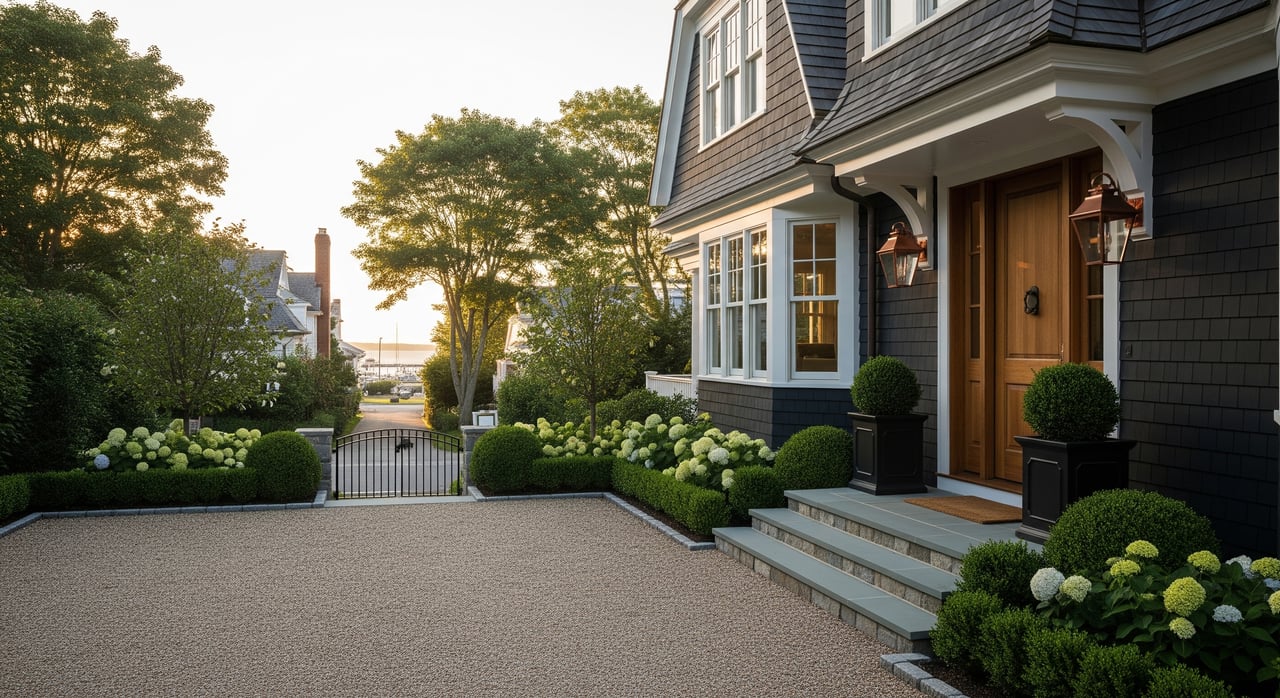
Downtown Greenwich is a compact, upscale town center on Connecticut’s Gold Coast. You’ll find boutique retail, restaurants, cultural spots, and waterfront access in a small, highly walkable core. Just beyond the avenue, residential streets become quieter and feel more suburban. Many professionals choose this area for the blend of town-center convenience and suburban privacy.
Walkability and daily errands
Greenwich Avenue is the main retail spine, with storefronts, sidewalks, and short blocks that make it easy to stroll between shops and cafés. You can handle many everyday needs on foot, especially if you live within a few blocks of the avenue or the train station. Outside the core, the town spreads out and becomes more car-oriented. For errands and activities beyond downtown, a short drive is often simplest.
Dining and shopping mix
The downtown mix includes both independent boutiques and national retailers. You’ll see fashion, jewelry, home goods, specialty food, and useful services like salons and dry cleaners. Dining ranges from casual coffee shops and bakeries to full-service restaurants and wine bars. Markets and small grocers cover everyday needs, while larger specialty stores are a quick drive away.
Transit and commuting
The New Haven Line of Metro-North serves downtown Greenwich and provides direct trains to Grand Central Terminal. Schedules include local and express options, and times vary by the train and time of day. If you rely on rail, check current timetables and consider your preferred arrival window. For drivers, I‑95 is the main route toward New York City and points along the coast, while the Merritt Parkway sits farther inland with truck restrictions.
Parking demand rises during weekday commute hours and seasonal events. Many commuters use station permit parking or arrive early for daily spaces. Local shuttles, taxis, and rideshares operate in the area, and some residents use a hybrid strategy by driving to a commuter lot, then catching an express train.
Parking and getting around
Downtown parking includes metered curb spaces along the avenue and several municipal lots or garages. Expect higher demand during peak shopping and dining periods. Even if you take the train to work, you may still want at least one car for errands and recreation beyond the core. This gives you flexibility for beaches, trails, and larger shopping trips.
Waterfront, parks, and outdoors
Greenwich Point Park, often called Tod’s Point, is a major local draw for beaches, promenades, seasonal swimming, and walking trails with Long Island Sound views. Greenwich Harbor and nearby marinas support boating and sailing, and private yacht clubs are present with membership policies that vary. Across town, you’ll find neighborhood parks, playgrounds, and trails for running, dog walks, and picnics.
If you’re a pet owner, sidewalks and many paths make dog walking simple. Be sure to follow local leash rules and any seasonal beach guidelines for pets.
Arts, culture, and events
The Bruce Museum anchors local culture with rotating science and art exhibitions. The Greenwich Historical Society preserves town history and offers exhibitions and programs at historic properties such as the Bush-Holley House. You’ll also find community theater, seasonal music, and small performance venues. Add nearby Stamford and easy train access to Manhattan, and your cultural options expand quickly. Downtown also hosts recurring markets, parades, and holiday events, though schedules change year to year.
Housing types near downtown
Close to Greenwich Avenue and the station, you’ll see a mix of condominiums and apartment buildings, including some newer luxury options, plus townhouses and nearby single-family homes. A bit farther out, larger historic homes and estates are common. Many older properties carry historic designations or are in conservation zones, so renovations may require approvals and take longer than in less complex jurisdictions.
Market feel and affordability
Greenwich is an affluent market with higher home prices and a cost of living above state averages. Inventory is often tighter than in less central suburbs. You’ll find rentals in and near downtown, though ownership options are more common. Rental demand is strong among professionals who want quick train access. For the most current pricing and tax details, confirm with MLS data and town records before making decisions.
Taxes, insurance, and upkeep
Homeownership costs reflect higher property values, municipal taxes, and insurance needs. For waterfront or near-coast homes, factor in potential flood-zone implications and related coverage. It’s wise to review records with the town assessor and consult a trusted insurance professional for accurate, up-to-date guidance.
Who this area fits
- NYC commuters who want direct rail service and a short walk to the station.
- Buyers who value walkable restaurants and evening options close to home.
- Remote workers who like to step out to cafés and errands between calls.
- Boaters and beachgoers who want quick access to the harbor and Sound.
- Anyone seeking a quieter home a few blocks from the action.
Smart planning tips
- Prioritize the distance to Greenwich station if rail is central to your routine.
- Review parking options, including station permits and municipal lots.
- Test your commute at your actual travel time to gauge real conditions.
- If you’re eyeing an older home, research any historic or coastal approvals.
- Check seasonal beach rules and dog policies before beach days.
- Decide your car strategy. Even in a walkable core, a car can simplify errands.
Is downtown Greenwich right for you?
If you want a small-town center with walkable dining and services, fast cultural access, and a direct NYC connection, living near Greenwich Avenue delivers. The core is lively by day and geared toward dinners and wine bars at night, rather than late-night clubs. You can keep evenings active while enjoying quiet, residential streets just a short walk away. The right spot comes down to your commute needs, parking plan, and how close you want to be to the avenue.
Ready to explore homes?
If this lifestyle sounds like a fit, connect with a local team that pairs neighborhood expertise with modern marketing. Our agents support buyers, sellers, and relocations across the CT–NY commuter corridor and can help you compare blocks, buildings, and logistics. Start the conversation with Realty One Group to map your next move.
FAQs
How walkable is downtown Greenwich for daily errands?
- Greenwich Avenue and the immediate core are highly walkable for shops, cafés, and some services. Outside the core, a car is more practical for many errands.
What is the train commute from Greenwich to Manhattan like?
- Metro-North’s New Haven Line offers direct service to Grand Central with local and express trains. Times vary by schedule, so check current timetables.
How hard is it to park near the station or on Greenwich Avenue?
- Parking demand can be high during peak hours and events. Many commuters use station permit parking or arrive early for daily spaces.
Are there beaches and boating options close to downtown?
- Yes. Greenwich Point Park offers beaches and walking paths, and Greenwich Harbor has marinas and boating access. Seasonal rules and parking apply.
What kinds of homes are near Greenwich Avenue and the station?
- You’ll find condos, apartments, townhouses, and nearby single-family homes. Historic or coastal properties may need extra approvals for renovations.
Is downtown Greenwich lively at night?
- Evenings focus on restaurants, bars, and small performances rather than large clubs. Expect a relaxed, dinner-and-drinks scene.
